Frozen Pipes and Home Insurance: What to Check Before Winter
Understand how homeowners insurance may treat frozen-pipe damage, what to check before traveling, and which prevention and claim-documentation steps can help you prepare for winter.
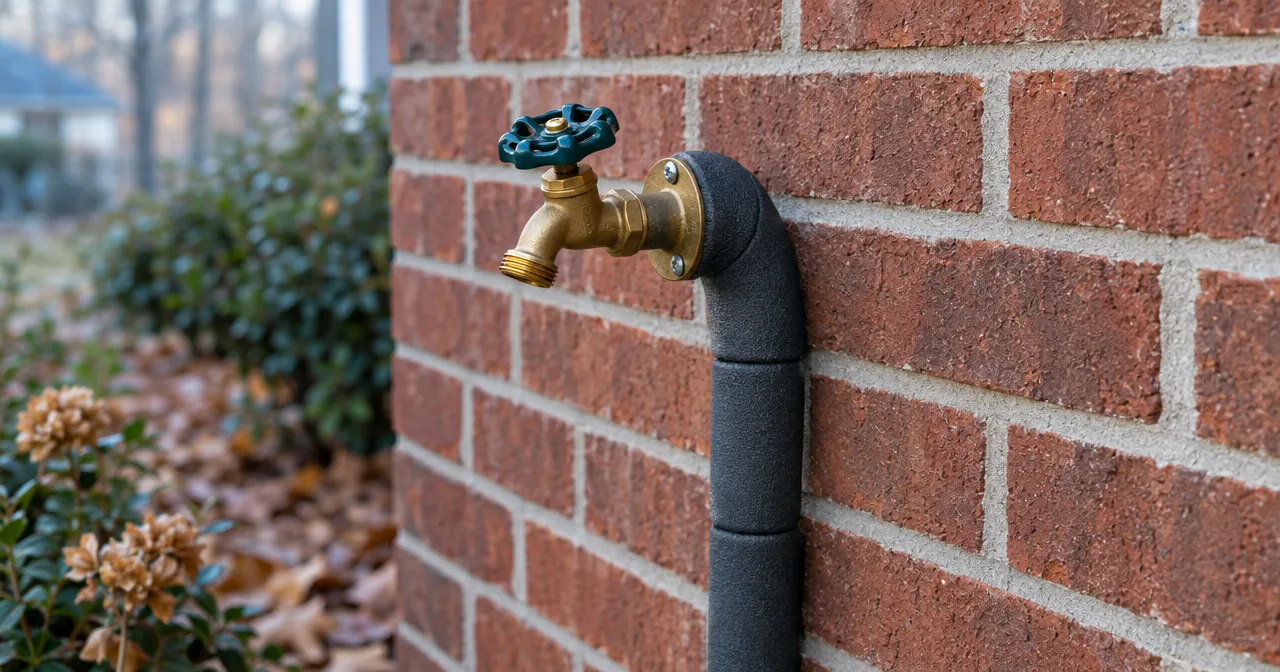
A winter trip can raise a question that is easy to overlook while packing: what happens if a pipe freezes while nobody is home?
For homeowners in Georgia, Alabama and Tennessee, preparing for that possibility involves both the house and the insurance policy. Insulation and a heating plan address the physical risk. Reading the policy helps you understand which losses may be covered, which conditions apply and which costs could remain yours.
The key is not simply whether a pipe froze. The cause of the damage, the precautions taken, the property involved and the policy language all matter. Here is a practical way to work through those details before winter travel or a cold-weather emergency.
Sudden water damage and pipe maintenance are different questions
The National Association of Insurance Commissioners explains that homeowners insurance will often cover damage from a sudden burst pipe, but failure to take reasonable steps to prevent freezing can affect coverage. Its consumer guidance on burst-pipe water damage specifically addresses keeping heat on while away and protecting vulnerable pipes.
That is a general description, not a promise that every frozen-pipe loss will be paid. Ask how your own policy addresses freezing, reasonable care and the circumstances of the loss.
It also helps to separate the damaged plumbing from the damage caused by escaping water. Farmers’ explanation of plumbing and home insurance distinguishes accidental water damage from maintenance and wear-and-tear issues. Do not assume an insurer will pay to replace aging plumbing just because the plumbing eventually leaks.
Consider two hypothetical situations:
- A sudden winter incident: A family leaves its home heated during a short trip. A pipe freezes and splits, and water damages the kitchen floor. The questions for the insurer include the cause, the precautions taken, the damaged property and the applicable policy terms.
- An unresolved plumbing problem: A homeowner notices recurring dampness beneath a sink but postpones investigating it. Months later, the cabinet and flooring need repair. The questions now include when the leaking began, what caused it and whether deterioration or an exclusion is involved.
These examples are not claim decisions. They illustrate why an adjuster needs a timeline and facts, rather than just the description “water damage.”
Break a possible loss into separate expenses
A single leak can create several different bills. Before assuming they all receive the same treatment, ask your agent to explain these categories:
The plumbing repair. What failed, and what needs replacing? Ask whether the policy distinguishes fixing the pipe from repairing resulting damage. Also ask how any work needed to reach the pipe would be evaluated; do not assume access work and pipe replacement are interchangeable.
Damage to the building. Flooring, drywall and built-in cabinets raise questions about dwelling coverage, the cause of loss and the applicable deductible.
Damage to belongings. A wet sofa or damaged clothing is a separate part of the discussion. Ask how covered belongings are valued and whether any category has a special limit.
Temporary living costs. If a covered loss makes the home uninhabitable, additional living expense coverage may help with eligible extra expenses, subject to policy limits and conditions. It is not an automatic payment of every household bill.
The Georgia insurance department’s homeowners insurance guide explains the general roles of dwelling, personal property and additional living expense coverage. Use those categories to organize your questions, then check your own contract.
For a deductible illustration, suppose a hypothetical covered loss has $8,000 in eligible damage and a $2,000 deductible applies. Simple subtraction leaves $6,000 before considering any other policy provisions. That is arithmetic, not an estimate for your home. The useful question is which deductible applies and whether you could comfortably fund it.
Leaving town? Clarify the heating and shutoff plan
Before a winter trip, ask your insurer or agent to point out any freezing-related conditions in your policy. Do not rely on a neighbor’s recollection of what their insurer required.
Build the conversation around your actual plans:
- How long will the house be unattended?
- Will the heating system remain operating?
- Are any pipes in unheated or exposed areas?
- Who could respond if the heat fails or a leak alarm activates?
- Are you considering shutting off the water or draining plumbing?
The American Red Cross recommends leaving the heat on at no lower than 55°F when away during cold weather. That is prevention guidance—not a universal insurance-policy requirement or a guarantee against freezing. Its frozen-pipe prevention and thawing guidance is a useful starting point for a household plan.
Ask a qualified plumber about an appropriate shutoff or winterization procedure for your property. Describe any systems that depend on water before making changes. A generic instruction to “turn everything off” is not a substitute for understanding the house.
If a home will be unoccupied for an extended period, or its use is changing, tell the agent. Ask how the policy defines vacancy or unoccupancy and whether different conditions apply. The NAIC’s Consumer’s Guide to Homeowners Insurance explains why exclusions and policy conditions deserve attention alongside coverage amounts.
Focus prevention on exposed plumbing
The Red Cross recommends insulating vulnerable pipes, disconnecting outdoor hoses and keeping garage doors closed if water lines run through the garage.
During severe cold, opening sink cabinet doors can help warm air reach pipes; move household chemicals away from children first. A cold-water trickle from a faucet served by exposed pipes can help prevent freezing.
If a pipe appears frozen, call a licensed plumber if you cannot safely locate and address it. Never use a blowtorch or another open flame to thaw a pipe.
Turn these measures into a property-specific task list. For example, ask your plumber to identify the vulnerable section in the garage and show you what to monitor before leaving town.
Not all water entering a home is the same insurance event
A burst indoor pipe, water backing up through a drain and surface water entering from outside are different causes of loss. Do not assume that one answer about “water coverage” addresses all three.
Standard homeowners insurance generally excludes flood damage. Sewer or drain backup may require separate coverage or an endorsement. The NAIC consumer guide explains these distinctions; Georgia’s homeowners guidance also identifies flood damage as generally excluded.
For a useful conversation, describe the route the water took:
- Did it escape from a household supply pipe?
- Did it come up through a drain?
- Did water accumulate outside before entering the house?
Those descriptions help frame the investigation; they do not establish coverage by themselves. If the source is unclear, say so rather than guessing. Ask which policy provisions would apply to each possibility and whether any optional coverage is already included.
This is also why a neighbor’s paid water claim does not predict yours. The source of the water and the contracts may be different, even when the visible damage looks similar.
If a pipe bursts, document the loss and prevent further damage safely
Start with personal safety. Do not enter an unsafe area to rescue belongings or take pictures. If water is near electrical equipment, or you are unsure whether the area is safe, seek appropriate emergency or professional help rather than attempting electrical work yourself.
For a winter water loss, the Tennessee Department of Commerce and Insurance recommends prompt reporting, photographs, temporary protective measures and keeping receipts. Its guidance also cautions against permanent repairs before the insurer has inspected the damage.
A practical sequence is:
- Stop ongoing water damage if it is safe to do so. Know where the water shutoff is before an emergency, and get professional help when needed.
- Notify the insurer promptly. Explain what you know, what you do not know and whether water is still escaping. Tim Cooper Agency can help customers understand how to report a claim; the insurer determines coverage.
- Record the condition of the property. Photograph affected rooms, building materials and belongings. Keep the plumber’s findings and a timeline of when the issue was discovered.
- Discuss urgent protective work. Ask about the next steps for drying, cleanup and inspection. Do not delay necessary safety measures simply to obtain a photograph.
- Keep a separate expense file. Save receipts, estimates, invoices and communications. Ask before discarding damaged property or authorizing permanent repairs, while addressing any immediate safety hazards.
For example, a useful note might read: “Returned home Sunday at 4 p.m.; water visible beside the laundry room; shut off supply; called plumber; photographed hallway.” That kind of factual record is more helpful than trying to decide the insurance outcome yourself.
Bring specific questions to your policy conversation
You do not need to become a claims expert before speaking with an agent. You do need enough detail to connect the policy with the house you actually own.
Bring your current declarations page and, if available, the full policy and endorsements. Make a brief note of exposed plumbing, planned travel and any change in occupancy. Then ask:
- Where does this policy address damage caused by freezing?
- What precautions or conditions does that wording require?
- How would pipe repair, access work and resulting water damage be considered separately?
- Which deductible would apply to a covered winter water loss?
- How are damaged belongings valued?
- What limits or time restrictions apply to additional living expenses?
- Is water-backup coverage included, optional or unavailable under this policy?
- Who should I contact after hours to report a loss?
Write down the answers and any follow-up needed. If a change is requested, ask for confirmation of what was approved and when it takes effect.
Review the policy before the house is unattended
Tim Cooper Agency helps homeowners throughout Georgia, Alabama and Tennessee review limits, deductibles, exclusions and available coverage options. The team represents Farmers and other national carriers and can explain differences between available policies without treating every water loss as the same event.
For a focused conversation, start with your winter plans and the plumbing concerns specific to your property. Explore the agency’s home insurance information, or call (678) 765-8875 to discuss your questions.
General educational information only, not a coverage determination. Coverage, eligibility, deductibles, exclusions and conditions vary by policy, insurer and state. Insurers make coverage and claim decisions. A website request does not bind or change insurance.